UNESCO Intangible Cultural Heritage · Est. written record, 629 CE

The Greatest Gathering on Earth
Awaits You in India

Tens of millions of pilgrims, thousands of saffron-clad ascetics, one sacred river — the Nashik Kumbh is not merely a festival but a civilisation at prayer. This portal helps you understand India, plan around the Nashik Kumbh, and travel through it safely — from your visa to your last check-in.

50M+expected visitors
12 yrsbetween Nashik Kumbhs
2UNESCO cave sites nearby
4Jyotirlingas in range

Why Travel Halfway Across the World for This?

Because nothing else on Earth compares. The Kumbh Mela is the largest peaceful gathering of human beings — a spectacle of faith, scale and serenity that has drawn travellers' tales for centuries.

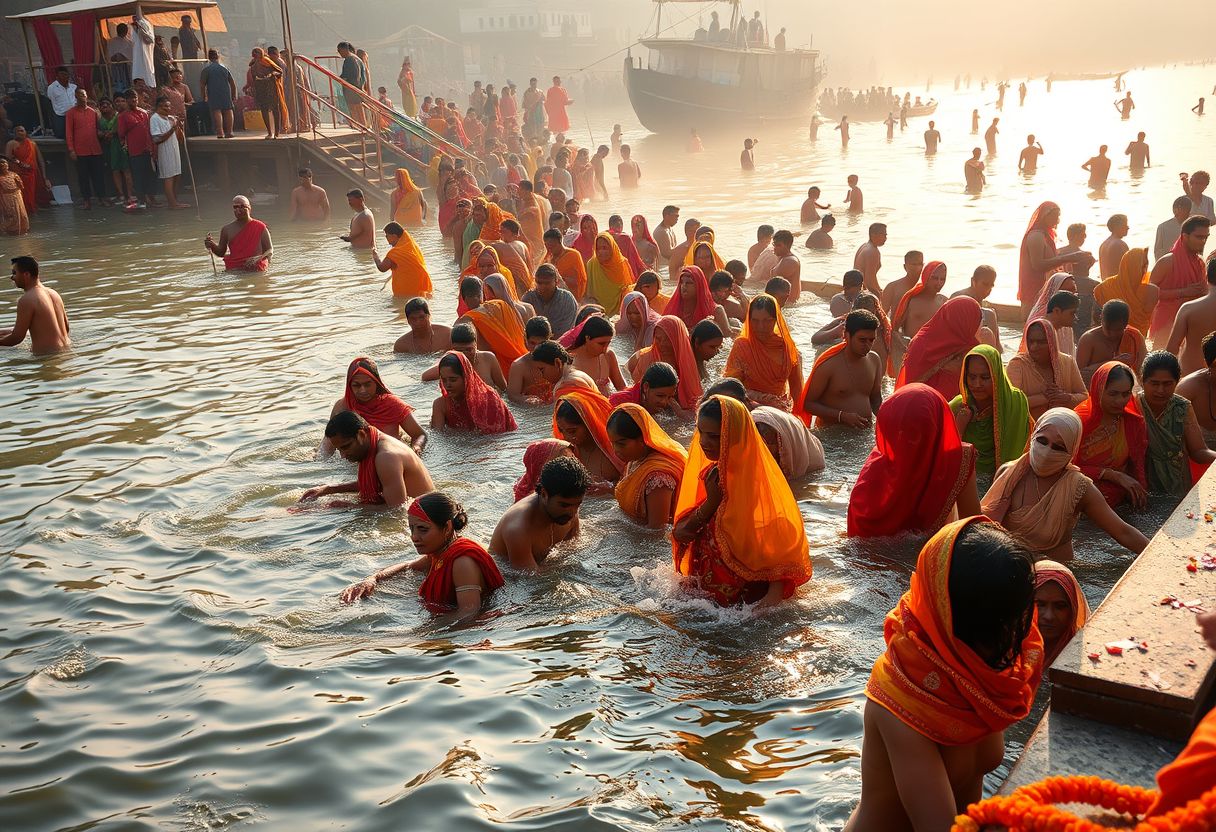
Pilgrims bathing in the Godavari
🕉️

A living ancient ritual

Monks, mystics and millions gather to bathe where nectar is said to have touched the earth. The rituals you will see are unchanged in essence for over a millennium.

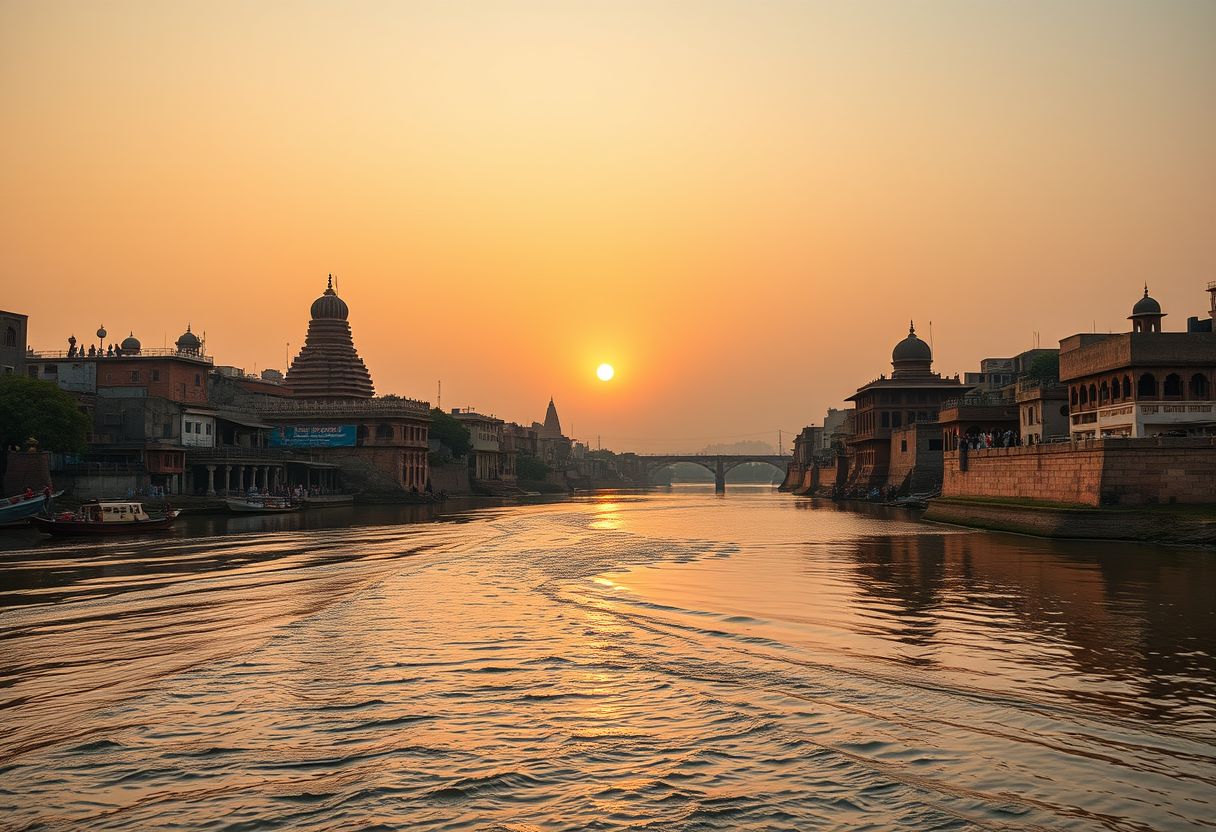
The Godavari river at sunset
🌊

The Godavari river

At the Nashik Kumbh, the Godavari's Ramkund ghats — the Ganga of the south — become a moving carpet of lamps, chants and marigolds at dawn and dusk.

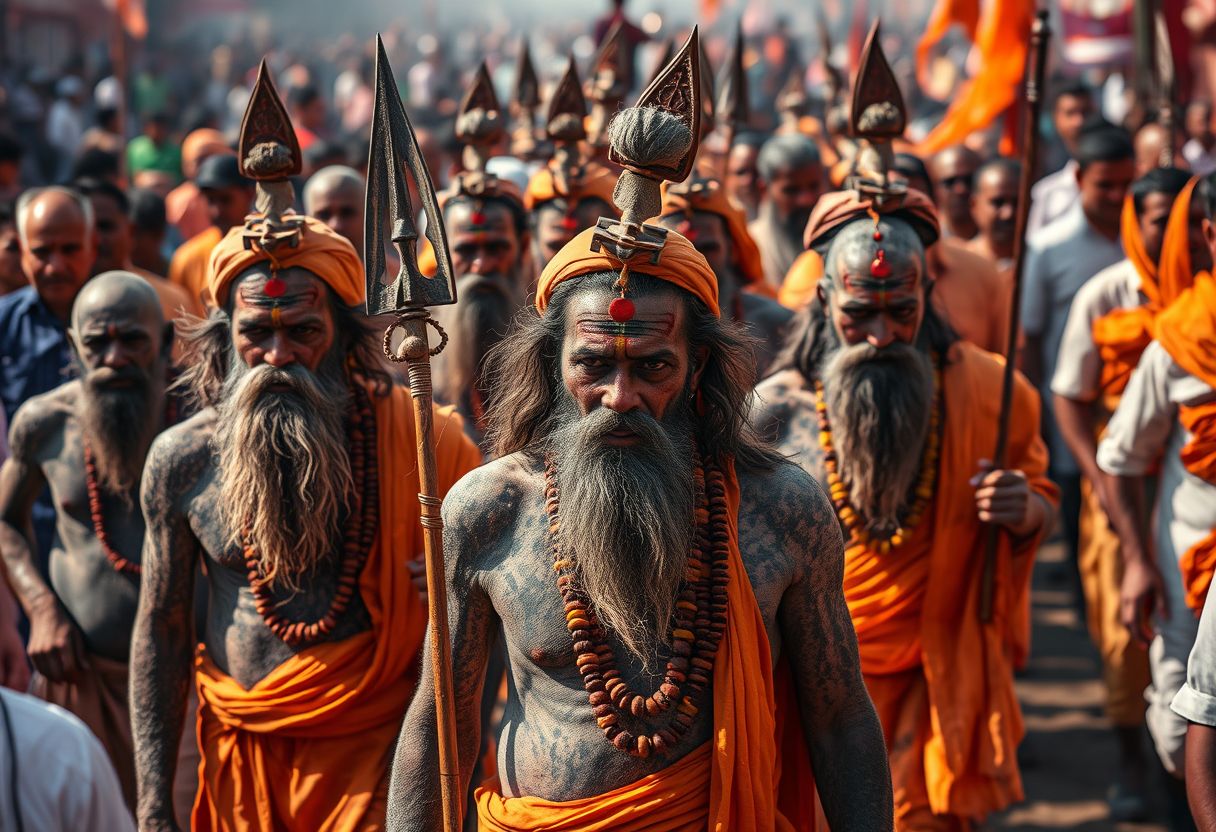
Sadhu procession
🧘

The sadhus & akharas

Warrior-ascetics of the ancient akharas march in procession to the river, smeared in ash, carrying tridents and centuries of tradition. Shahi Snan days are their parade.

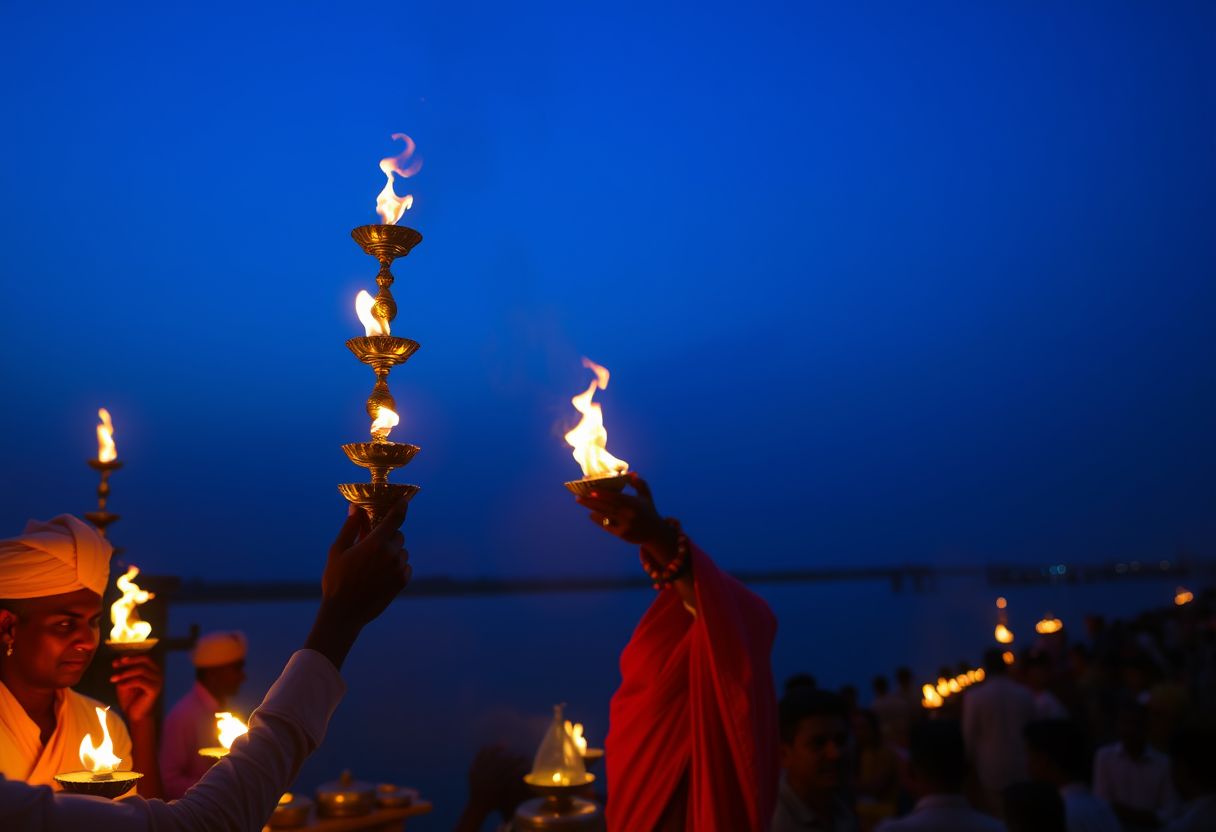
Evening aarti ceremony
🏛️

UNESCO recognised

Kumbh Mela was inscribed on UNESCO's Representative List of the Intangible Cultural Heritage of Humanity in 2017 — humanity's shared heritage, witnessed live.

Kailasa temple, Ellora
🚶

Beyond the festival

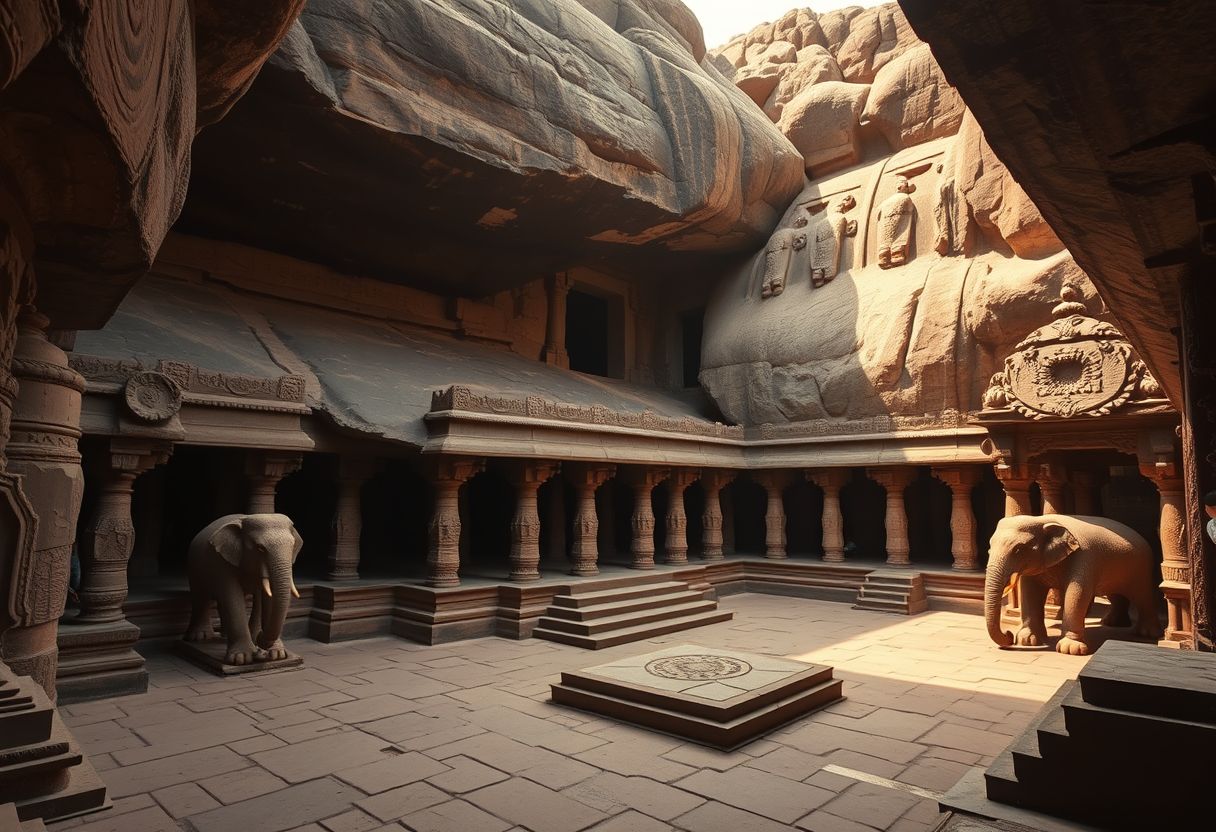
Ellora & Ajanta's cave masterpieces, four Jyotirlingas, Shirdi, vineyards and Sahyadri forts — Nashik sits at the crossroads of India's greatest Deccan treasures.

Volunteer helping a traveller
🛡️

Managed & monitored

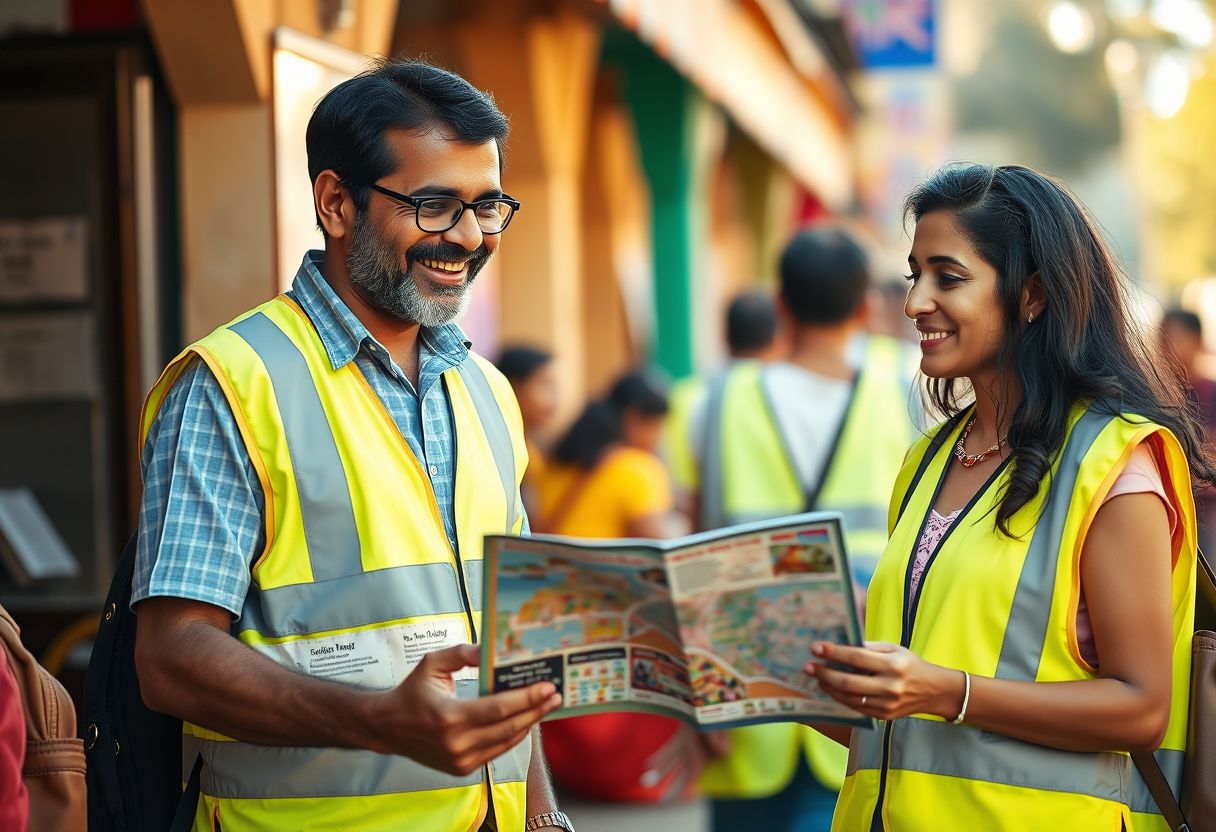
Register your trip here and check in daily — our volunteer network and operations Control Center keep an eye on every registered traveller. Help is one tap away.

Understanding the Kumbh Mela

Everything a first-time international visitor needs to know before stepping into the crowd — the story, the rituals and the words you will hear.

The myth — churning the ocean of milk

Hindu tradition tells of the Samudra Manthan — gods and demons churning the cosmic ocean to obtain amrit, the nectar of immortality. As the divine physician Dhanvantari carried the pot (kumbh) away, drops of nectar fell at four places: Prayagraj, Haridwar, Ujjain, and Nashik, where the Godavari flows. Bathing in these rivers during the astrologically appointed Kumbh period is believed to cleanse karma and grant liberation.

Nashik's moment comes once in twelve years, when Jupiter and the Sun align in Leo — and the Trimbak–Panchavati ghats become one of the largest gatherings on the planet.

The four Kumbh cities

Prayagraj (Ganga–Yamuna–Saraswati sangam) hosts the Maha Kumbh every 12 years; Haridwar (Ganga), Ujjain (Shipra) and Nashik (Godavari) rotate the Purna (full) Kumbh on the same cycle, with Ardh (half) Kumbhs in between.

What you will witness in Nashik: the Shahi Snan — royal bathing days led by processions of the akharas (monastic orders), their Naga sadhus marching to Ramkund; continuous mass bathing; pravachans (spiritual discourses); bhandara free kitchens; and a temporary city of tents, stalls and bridges built for millions.

Words of the Mela — a traveller's glossary

Loading glossary…

Etiquette for international visitors

✅ Do

  • Dress modestly — shoulders and knees covered; lightweight Indian wear is welcome and practical
  • Remove footwear before temples and ghats steps; walk clockwise around shrines
  • Ask before photographing sadhus or rituals — many will bless you for it, some will decline
  • Accept prasad with your right hand; greet with Namaste 🙏
  • Carry your passport copy; police checkpoints are routine and courteous
  • Keep valuables minimal and use the festival's marked lanes and lost-and-found points

🚫 Don't

  • Don't photograph bathing women or cremation/ghat rites from close quarters
  • Don't touch idols, ritual fires or the belongings of sadhus
  • Don't enter the river except at designated bathing zones and times
  • Don't drink alcohol near the ghats (prohibited) — save the vineyard visit for outside the mela area
  • Don't accept food or drinks from unverified strangers
  • Don't ignore police barricades and crowd-control instructions — crush injuries are the main festival risk

Visa & Flights — Getting Into India

Who needs what to enter India for the Nashik Kumbh, which countries fly direct to Mumbai — India's gateway to the festival — and what changes during the mela season.

🛂 Which provision applies to you?

✈️ Direct flights to Mumbai (BOM)

Loading flight connectivity…

📜 Travelling in India during the Kumbh season

Loading provisions…

Sacred Nashik & Beyond

Jyotirlingas, UNESCO cave temples, hill forts and vineyards — the region around Kumbh is a destination in itself. Distances are from central Nashik.

Loading attractions…

Plan Your Journey

Battle-tested itineraries that weave the Kumbh with the Deccan's greatest sights. All plans are indicative — verify dates and closing days before booking.

🛂 Before you book — the 60-second checklist

  • e-Tourist Visa approved (printout) · passport valid 6+ months · travel insurance
  • Flights into Mumbai (BOM) or Pune (PNQ) + pre-booked car to Nashik (~3.5 h)
  • Registered accommodation — the Host Platform lists verified homestays near the ghats
  • Register your trip on the "My Journey" tab — monitored travel with daily check-ins and one-tap assistance
  • Festival dates & Shahi Snan calendar noted (see your tour operator or the Pilgrim Portal schedule)

Traveller Essentials

Visa, money, phrases, health and the numbers that matter — plus live advisories from the operations Control Center.

📡 Live advisories

Loading advisories…

Loading essentials…

Travel, visa and health information is indicative for planning — always verify against official Government of India / embassy sources before booking.

My Trip — Managed & Monitored

Register once, check in daily. Your registration and check-ins reach the platform's volunteer network and operations Control Center — so someone always knows where you are.

📝 Register your trip (requires sign-in — your trip is tied to your identity)